There is a big difference between the 19th century horse excrement
crisis and the current 21st century energy crisis,
similar as they may sound.
One was real.
The other is manufactured by the modern equivalent of stagecoach vendors.
Stephen Davies wrote for The Freeman 1 September 2004,
The Great Horse-Manure Crisis of 1894,
In 1898 the first international urban-planning conference convened
in New York. It was abandoned after three days, instead of the
scheduled ten, because none of the delegates could see any solution
to the growing crisis posed by urban horses and their output.
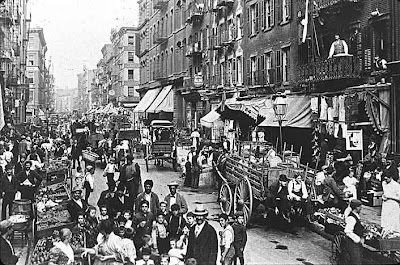
The problem did indeed seem intractable. The larger and richer that
cities became, the more horses they needed to function. The more
horses, the more manure. Writing in the Times of London in 1894, one
writer estimated that in 50 years every street in London would be
buried under nine feet of manure. Moreover, all these horses had to
be stabled, which used up ever-larger areas of increasingly valuable
land. And as the number of horses grew, ever-more land had to be
devoted to producing hay to feed them (rather than producing food
for people), and this had to be brought into cities and
distributed—by horse-drawn vehicles. It seemed that urban
civilization was doomed.