
The VDT explains how to effect change, if anyone is listening.
Editorial, 13 Jan 2010,
Powerless to stop the power plant:
This week as the rhetoric around the proposed biomass facility has
continued heating up, leading up to
last night’s forum,
one of the main themes has been that “government should do something.”
While the Times does not condone or condemn
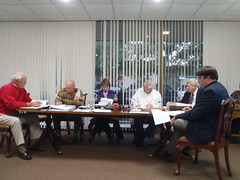
Chairman Paulk’s actions in the commission meeting Tuesday night,
understanding the situation may
help shed light on the issue. The county is powerless to do anything to
stop this power plant. The only governmental entity with any power over
the project is the city, and that’s only in the form of the services
being extended and the water being sold to the company, as well as the
sewage sludge that’s being burned. They too are powerless at this
point to stop it.


The editorial continues with the tired old excuse “they can be sued”.
Don’t they have insurance for that?
If the whole thing goes as bad as some opponents predict,
they could be sued for the kind of financial disaster
that faces Harrisburg, Pennsylvania.
There is one governmental entity that does have the power.
Ah, here it is:
Only the Valdosta-Lowndes County Industrial Authority has ever really had
the ability to stop the biomass plant from being built here. Instead,
they chose to purchase the land for the plant and facilitate all the
permitting, etc. to assist the company. The Industrial Authority is a
quasi-governmental entity with special taxing privileges that can do as
the members of the board see fit for the community.

It taxes, it spends, it makes decisions “for the community”.
That’s government. It needs to be more responsive to the community,
as I pointed out in Tuesday’s County Commission meeting.
Then the VDT makes excuses for VLCIA, too:
Citizens’ rights are paramount, but comments should be directed towards
the entity that has all the power. And at this point, there’s very
little legally the Industrial Authority can do either even if members
wanted to halt the project at this time. It would take state legislation
to halt this project now.
Sure, the VLCIA board is
set on moving forward with this plant.
But things can change.
If they were to seriously consider
what their opponents’ experts were saying,
instead of refusing to name them and referring to them only as
“folks come into the community”,
the VLCIA might find all sorts of reasons to halt the plant.
Meanwhile, there is another way, alluded to in the VDT’s previous paragraph:
If the company can get the necessary financing, and can find the suppliers
and the customers for the power, the Wiregrass plant will be built.
See that first word? “If”.
Back at the December 6th VLCIA “Forum” I asked
Where’s the wood to come from and who will buy the electricity?
They claim to have a wood sourcing study, but they won’t release it.
Both Georgia Power and Colquitt EMC have said they won’t buy the power,
and VLCIA doesn’t know who will.
I asked Brad Lofton about the electricity
on January 6th and he still didn’t know.
Investors won’t invest if the plant can’t sell its power.

Lack of investors and other concerns caused
a biomass plant set for Tallahassee to pull out
in January 2009.
Public opposition caused
Adage to pull a biomass project out of Gretna, in Gadsden County, Florida.
And who spoke in Gretna before that?
Why look, it’s
Dr. William Sammons!
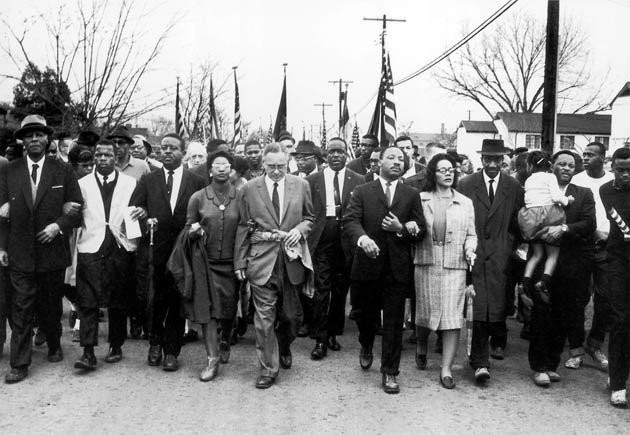
This is still MLK Week.
I don’t recall that Martin Luther King gave up just because
local government bodies said they couldn’t do anything.
Seems to me he was for government being responsive to the citizens.
As the VDT says:
Citizens’ rights are paramount
But only if the citizens insist.
-jsq
well done; you’ve given many of us a shot in the arm. we will win this! thanks. matthew richard
many Valdostans seem to think Ashley Paulk is a legitimate broker of law and order. history tells us differently: http://video.google.com/videoplay?docid=3930808120854021155#
Well done indeed!